What an EEG Looks Like
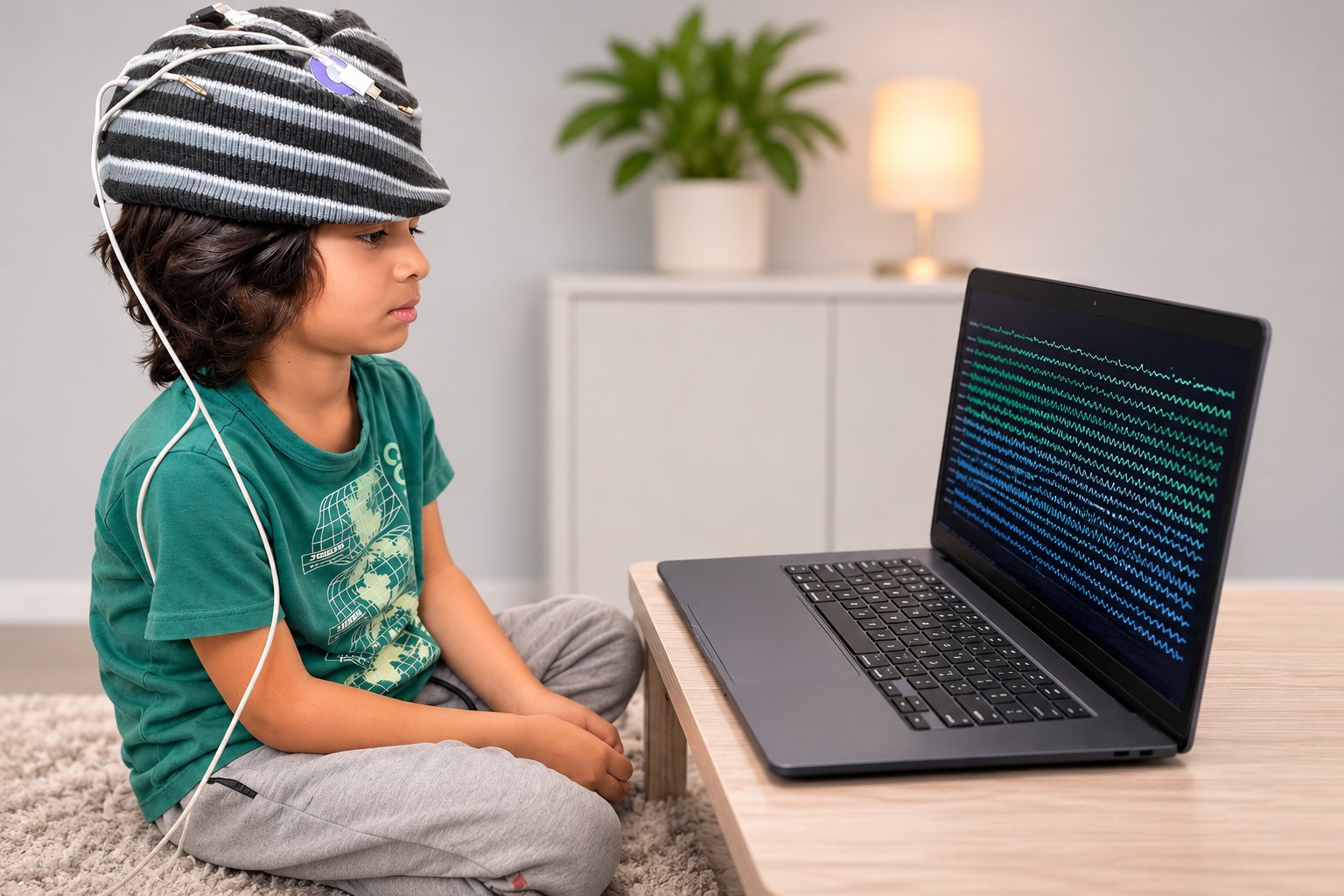
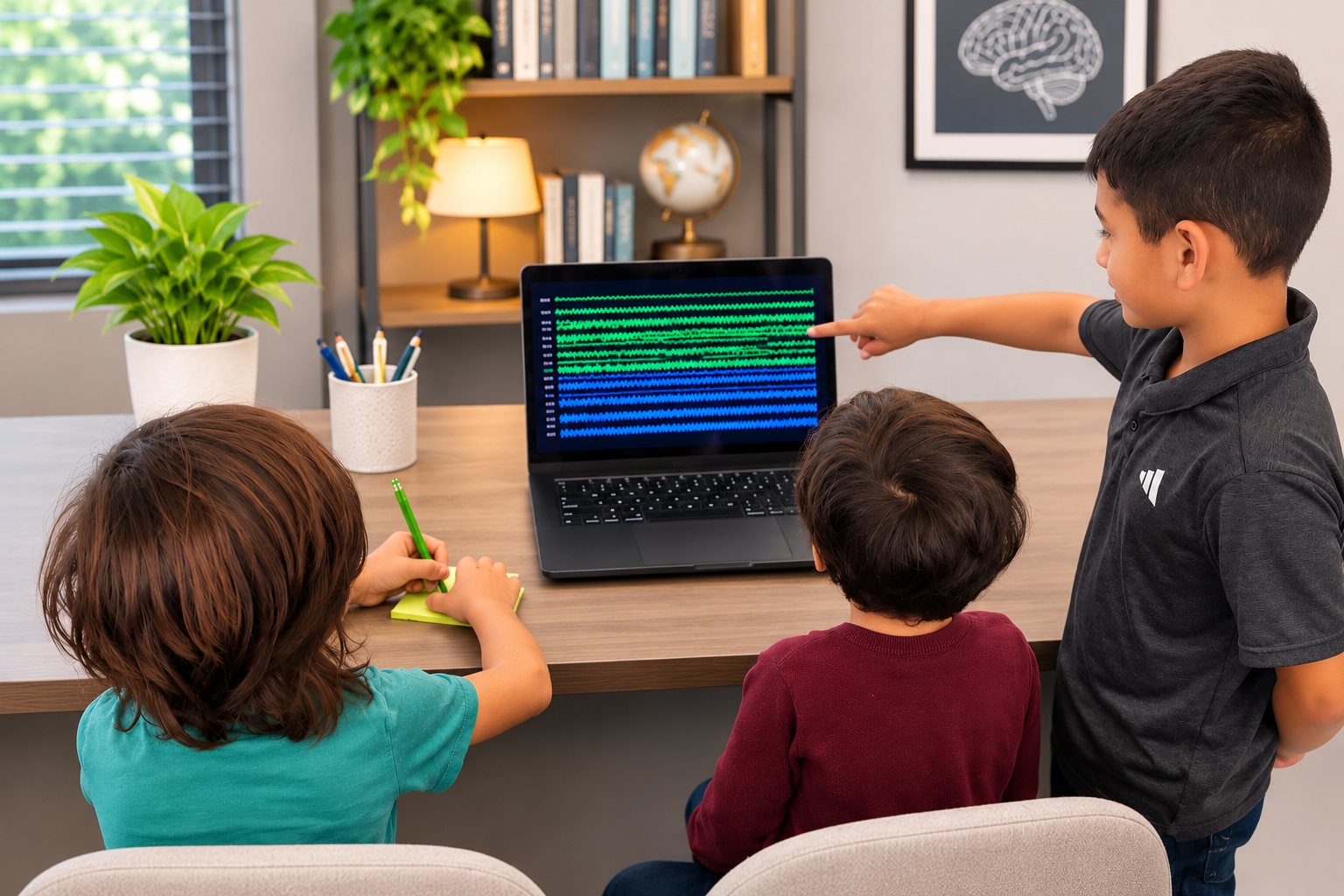
Small sensors on the scalp connect to a computer, which records the brain’s electrical activity as wavy lines.
Answers to common questions about our services, process, and remote practice model.
We interpret Routine EEG, Long-Term (Video) EEG, and Ambulatory EEG studies, with a focus on epilepsy-related findings.
Routine EEGs are typically read within one business day. Long-Term and Ambulatory studies may take longer depending on recording length; expedited review is available for urgent cases — ask us about timing when you send a study.
Reach out through our contact page and we'll set up a secure, HIPAA-compliant method for transmitting recordings that fits your existing systems.
Yes. SWAG Health PLLC operates as a fully remote, telehealth-based practice, allowing us to support referring clinicians and facilities without geographic restriction.
All studies are personally reviewed and interpreted by Dr. Muhammad Bhatti, a neurologist specializing in epilepsy.
Yes. Direct communication with the interpreting physician is part of our service — reach out through the contact page with any questions about a read.
Routine EEG is a brief, single-session recording. Long-Term (Video) EEG is an extended, typically inpatient recording paired with video, used to capture and classify seizure events. Ambulatory EEG is a multi-day outpatient recording performed in the patient's normal environment. See our Services page for full details on each.
Yes. We interpret Ceribell rapid response, point-of-care EEG studies for ICU and ED settings, providing a clinical read alongside the device's Clarity seizure burden output to help treating teams identify nonconvulsive seizures and status epilepticus quickly. See our Services page for details.
Small sensors on the scalp connect to a computer, which records the brain’s electrical activity as wavy lines.
Short videos to help children (and parents) know what to expect from an EEG.
General information only, not medical advice. Please follow the instructions from your own EEG lab or physician.
We're happy to walk through the process before you send your first study.
Contact Us